
Choose the right design
Choose material based on privacy, maintenance, visibility and the work the boundary needs to perform.
New wood, vinyl, aluminum and chain-link fencing. Compare design choices, material specifications and the practical steps to get a written estimate.
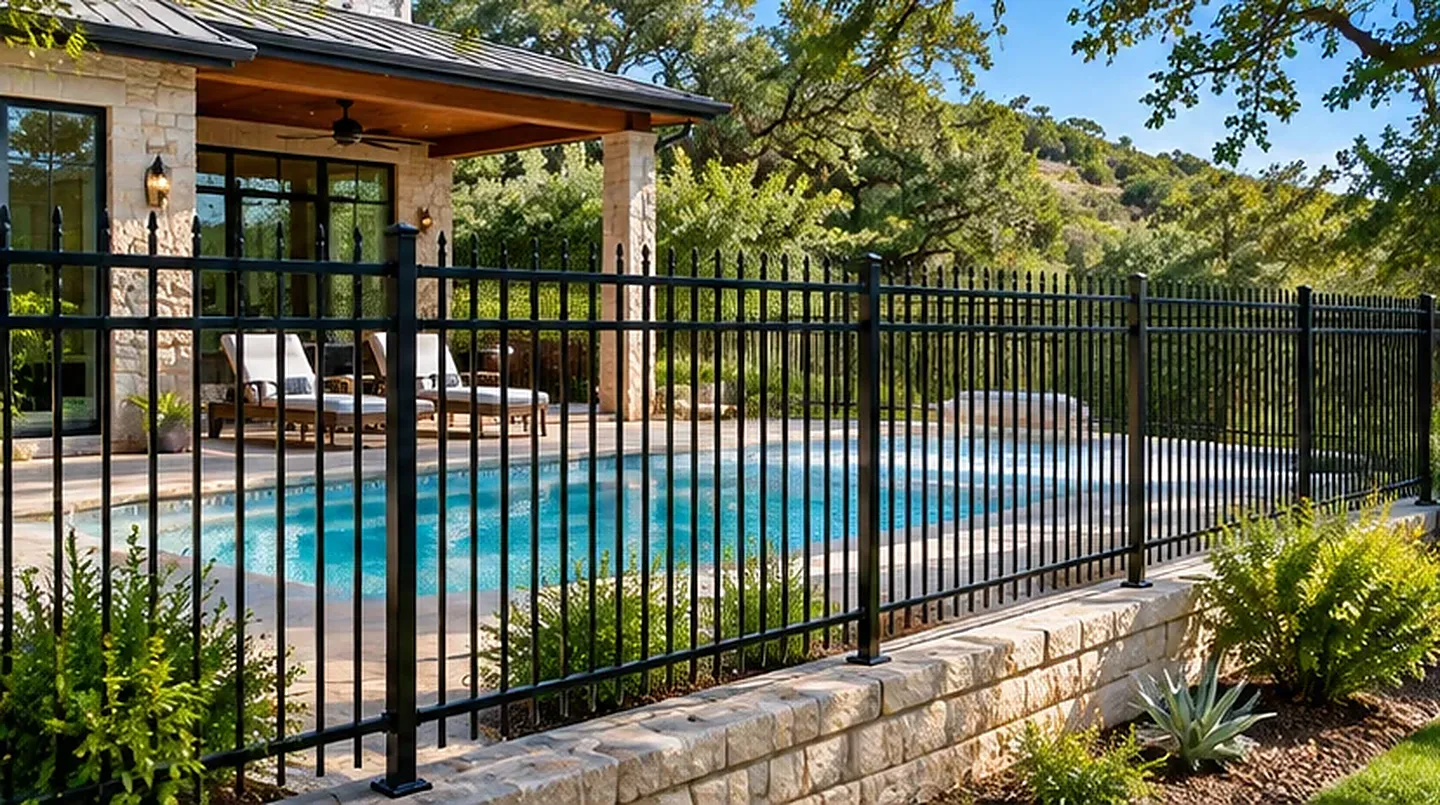
New wood, vinyl, aluminum and chain-link fencing. The best result comes from getting the construction details right before installation begins.
Choose material based on privacy, maintenance, visibility and the work the boundary needs to perform.
For a project in Austin, start by confirming your intended finish, basic dimensions and how the proposed work will affect nearby structures, landscaping and access.
Discuss your project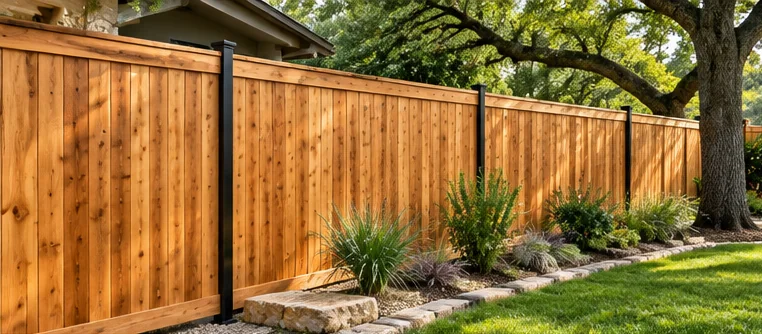
Choose material based on privacy, maintenance, visibility and the work the boundary needs to perform.
Lot lines, heights, grade changes, utility clearance and cleanup. Exact measurements, foundations, hardware and the work area belong in the written scope.
Account for property boundaries, easements, slope, existing improvements and access for material deliveries.
A different fence material can be a better fit for privacy, views, maintenance or budget.
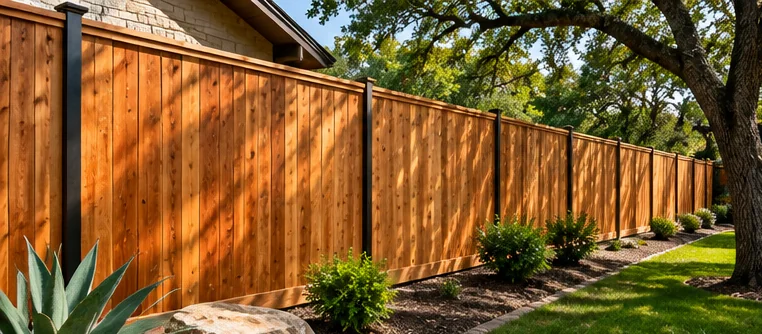
Cedar provides natural privacy with options such as vertical pickets, board-on-board and horizontal boards.
View options →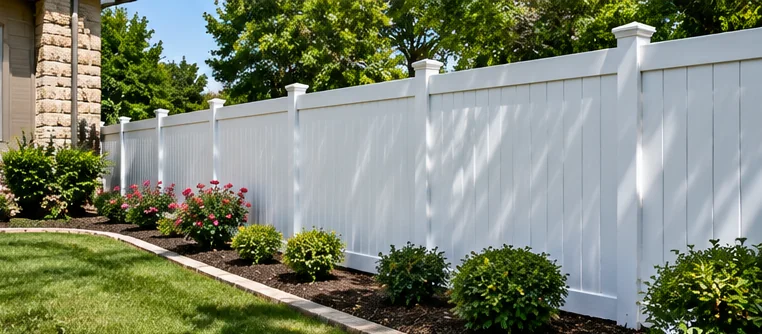
Opaque panels deliver a clean finish and avoid routine painting; post anchoring and panel layout remain important.
View options →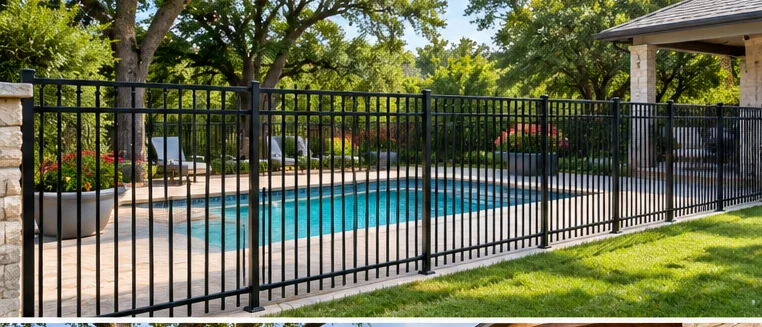
An open design that can define an area without blocking views. Pool barriers require code-specific detailing.
View options →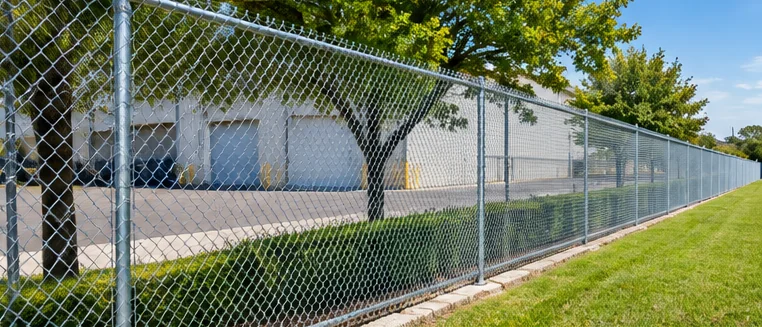
A practical perimeter option for commercial, recreational and selected residential uses, with galvanized or coated fabric.
View options →Footage or deck dimensions, materials, site access, elevation and foundations change the scope. A reliable price needs these details, not just a city name.
The exact material system, height or dimensions, posts or framing, finish, labor, site work, exclusions, cleanup and any required approvals.
Use the linked municipal source and check the actual property jurisdiction, current code and association rules before construction.
AUSTIN • PROJECT CHECKLIST
A useful fence installation estimate for a property in Austin needs more than a style picture or a simple per-foot number. These are the construction choices to discuss with a contractor.
Measure straight lengths separately and note every corner, grade break and gate opening. This makes an accurate material and labor estimate more realistic.
Old concrete, roots, retaining edges, narrow side passages and existing structures can add work. Ask for demolition and disposal to be shown explicitly if needed.
Look for post specifications, finish, gate hardware, permit responsibilities, restoration and cleanup—not just a cost per linear foot. Verify rules for the actual parcel.
The City of Austin distinguishes when a fence permit is required from its Safe Fencing rules. Those design rules can still apply when a permit is not needed. If the planned fence is tall, borders a right-of-way, or sits in a flood-hazard area, review the current city guidance before deciding on height and construction.
Austin municipal reference ↗The source is a planning reference, not evidence of approval or service availability for a particular address.
PROJECT DECISION GUIDE
Material selection matters, but so do boundaries, grade, access and the rule that applies to this parcel.
Start with the parcel: grade, trees, pool barrier, driveway corners and floodplain conditions. These can matter more than the nominal panel height.
Confirm the official City of Austin fence guidance and the applicable authority before construction.
Austin fence and pool, floodplain and right-of-way rules may affect an otherwise straightforward fence plan. Use the City’s regulations and confirm the specific address before interpreting any exemption.
Tell us the address, project type, approximate dimensions and preferred material. An accurate proposal starts with a clear scope—not a generic online price.