
Boundaries
Use property records and survey information rather than assuming an existing fence is on the true boundary.
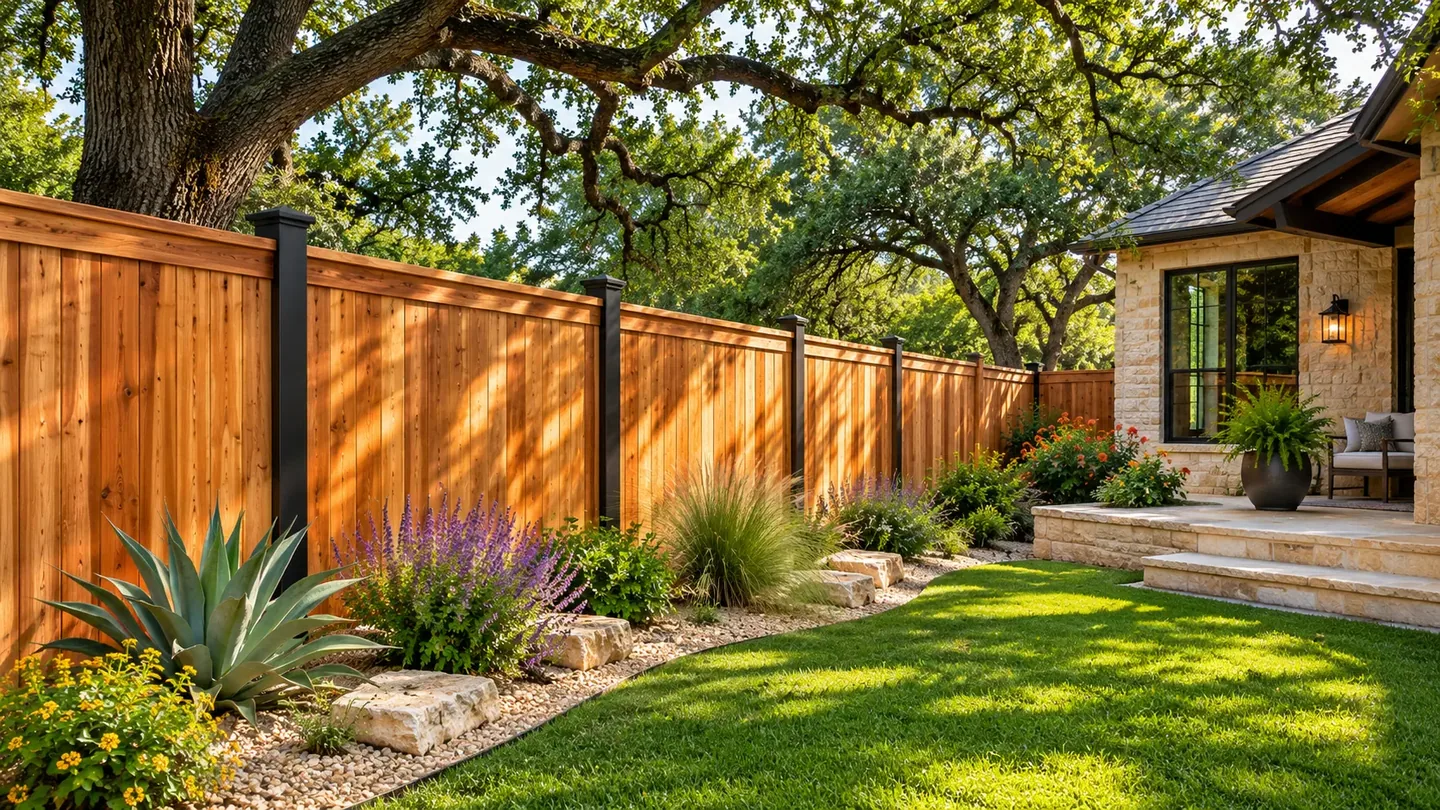
Fencing for privacy, security and curb appeal. A residential fence can block views, enclose a yard, define a pool area or complement the architecture. The materials and construction details should follow the use case.
RESIDENTIAL PROJECT SCOPING
Use property records and survey information rather than assuming an existing fence is on the true boundary.
Choose a material and design appropriate for the home, HOA if applicable, and desired view.
Compare cleaning, finish upkeep, color changes and warranty terms of actual materials.
PROJECT & MATERIAL OVERVIEW
Home fences solve different needs: backyard privacy, pet containment, a clean property boundary or an open view around outdoor amenities. The best selection begins with the intended use, actual property line, desired height and maintenance priorities.
DESIGN CHOICES
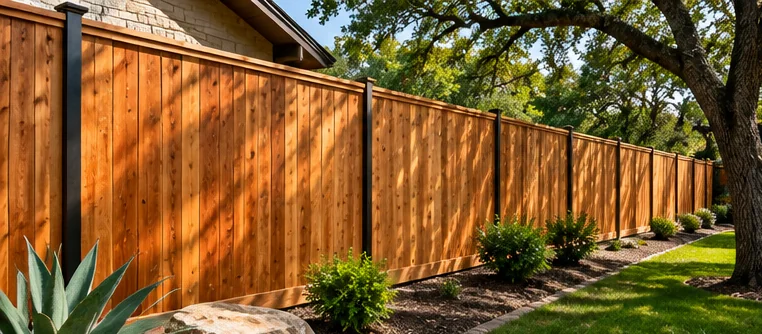
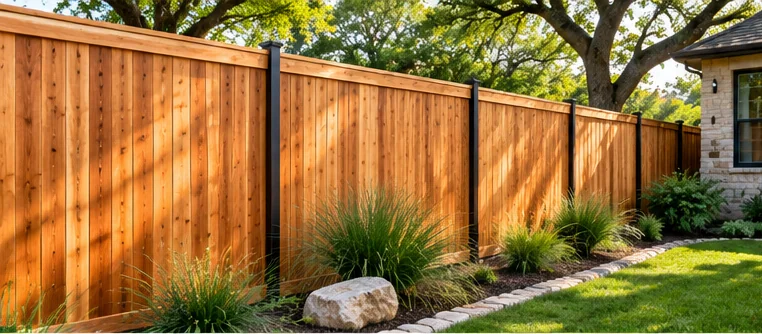
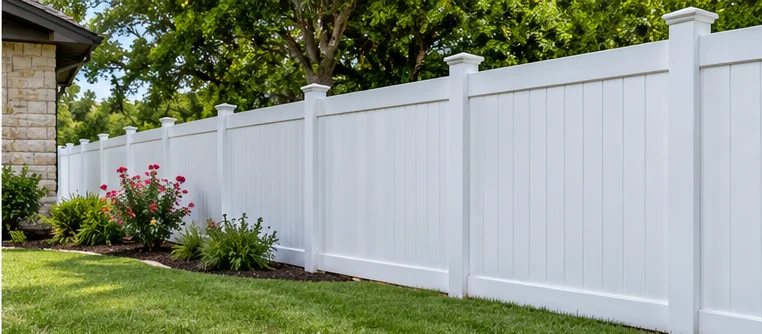
Closely spaced cedar or solid vinyl can screen patios and living areas. Fence placement, finished side, shared boundaries and existing neighbor improvements should be discussed before choosing a layout.
CONSTRUCTION SPECIFICATION
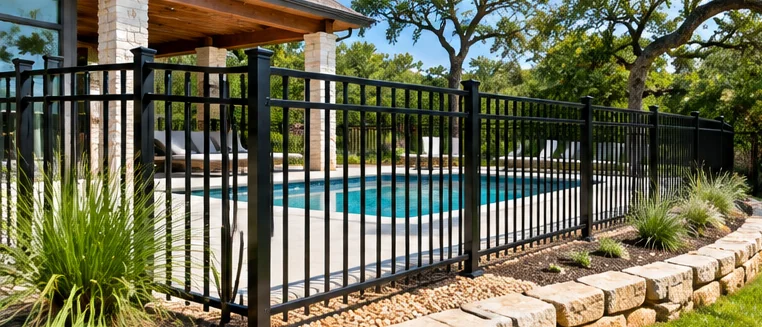
Containment requires attention to under-fence gaps, horizontal climbing features and opening sizes. Pool barriers have specific local safety requirements; an attractive ornamental design is not automatically compliant.
LOCAL PROJECT PLANNING
Compare natural appearance and finish upkeep, solid-panel privacy, view preservation, and economical utility. Materials that solve different needs should not be treated as identical price-only alternatives.
INSTALLATION DETAILS
Slope, trees, drainage swales, soil changes, utility easements and access affect layout and construction. Review the survey and governing authority before finalizing height and position.
DECISION GUIDE
| Backyard privacy | Cedar or solid vinyl |
|---|---|
| Open-view boundary | Ornamental aluminum |
| Functional pet enclosure | Chain link or secure material-specific designs |
| Quote detail | Survey, height, openings, existing site conditions |
For regulations, specifications and material suitability, consult the applicable jurisdiction and actual product documentation.
CUSTOMER QUESTIONS
A survey and any easements or restrictions should be reviewed. Do not assume a neighbor’s existing fence marks the legal line.
Choose an assembly specified for applicable local barrier rules, not just an ornamental style.
Approximate footage, height, preferred material, site photos and access constraints are useful.
RELATED SERVICES
DESIGN GALLERY
Explore material options, styles and layouts to help plan your fence or deck project.
PROJECT DECISION GUIDE
A good residential scope separates privacy, access, pets, children and neighborhood context.
The street side, shared neighbor line and backyard patio do not always need identical materials. Decide which runs need privacy and which benefit from openness.
Note trash-cart access, equipment widths, pet control and the exact path from driveway to yard. Gates are often the highest-use moving parts of a fence.
Confirm survey, recorded easements, HOA/architectural standards and city-specific fencing rules before final height or orientation decisions.
Compare wood stain cycles, vinyl component replacement, aluminum coating care and the more utilitarian appearance of chain-link based on the intended use.
Tell us the address, project type, approximate dimensions and preferred material. An accurate proposal starts with a clear scope—not a generic online price.