
Fabric and coating
Mesh size, wire gauge and galvanized or coated finish influence appearance, strength and maintenance.
Functional residential and commercial perimeters. Chain link is defined by fabric gauge, mesh size, coating and framework. A coated privacy-enhanced system is a different specification from plain galvanized mesh.
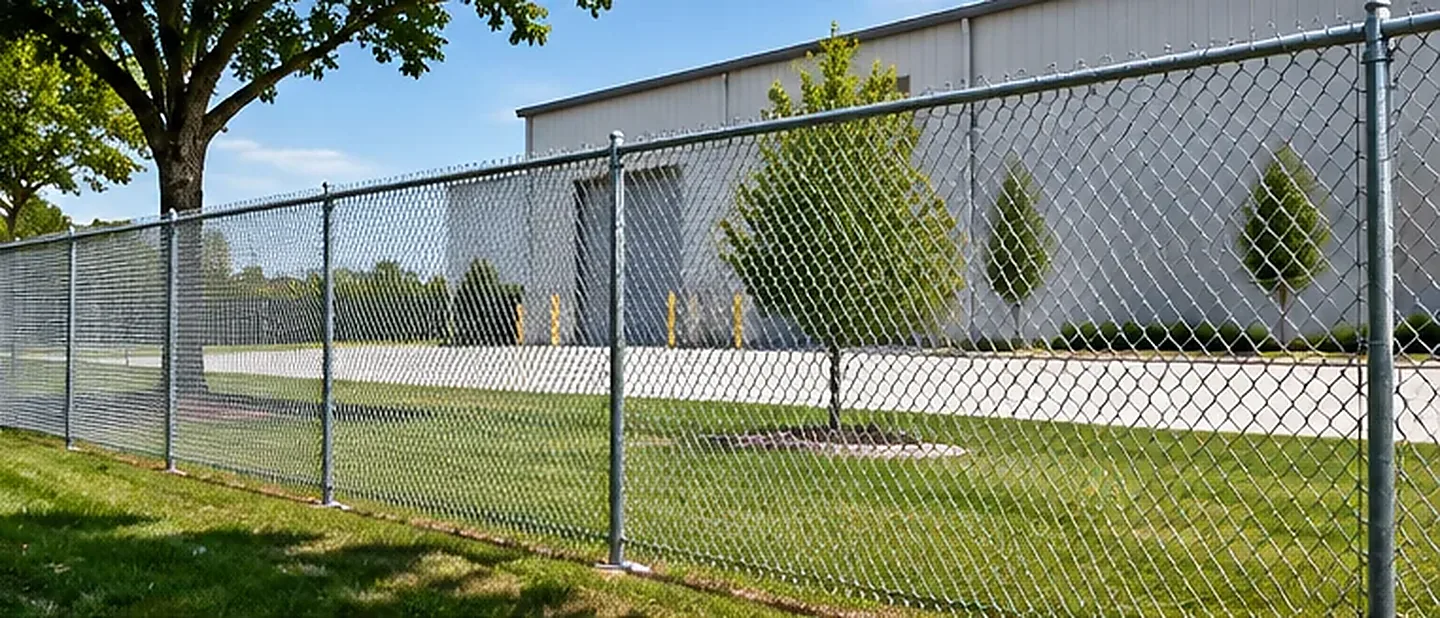
CHAIN-LINK DECISIONS
Mesh size, wire gauge and galvanized or coated finish influence appearance, strength and maintenance.
The project scope should identify frame components, tensioning approach and foundation assumptions.
Chain link often suits functional boundaries where openness, durability and budget are priorities over complete privacy.
PROJECT & MATERIAL OVERVIEW
Chain-link fencing is a practical option when cost control, boundary definition, visibility or utility matters more than visual privacy. Residential and commercial projects should specify fabric, framework, height and finishing separately; “chain link” by itself is not a complete specification.
DESIGN CHOICES
Wire gauge affects fabric thickness, and mesh dimensions change visibility and suitability for particular uses. Higher gauge numbers represent thinner wire. Material choice should follow the application, not a one-size-fits-all assumption.
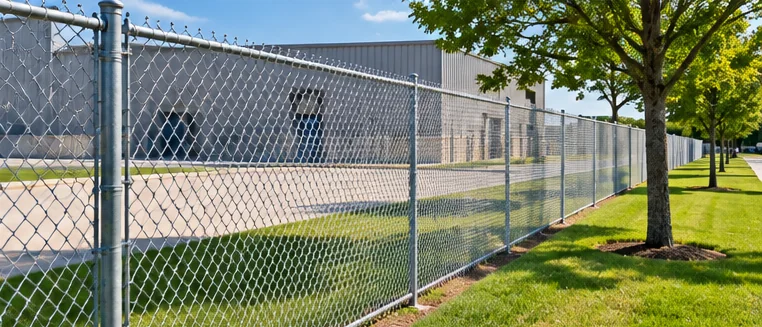
CONSTRUCTION SPECIFICATION
Galvanized fabric has a familiar metallic finish; vinyl-coated fabric changes the appearance and may provide an additional exterior layer. Compare what is actually galvanized beneath the coating, coating thickness and warranties. Black coating is popular, but not necessarily right for every job.
LOCAL PROJECT PLANNING
Terminal posts, line posts, top rails, tension bars and braces carry the assembly. Fabric tension and bracing prevent common problems. Commercial scopes often call for stronger frameworks, different mesh and access layouts than a simple residential perimeter.
INSTALLATION DETAILS
Chain link can suit business boundaries, sports/recreation facilities, equipment screening perimeters and pet enclosures where visibility is acceptable. Where privacy is the main goal, compare solid wood or vinyl rather than promise chain link will behave like an opaque barrier.
DECISION GUIDE
| Privacy | Low without added screening |
|---|---|
| Maintenance | Inspect fabric tension, coatings and posts |
| Appearance | Galvanized metallic or coated dark fabric |
| Important quote detail | Gauge, mesh aperture, wire coating, frame sizes and height |
For regulations, specifications and material suitability, consult the applicable jurisdiction and actual product documentation.
CUSTOMER QUESTIONS
Gauge relates to the diameter of the wire. The lower the gauge number, the heavier the wire under common gauge conventions.
Black-coated options have a colored outer layer. Verify the metal substrate and coating system in the quote.
The load and security goals can call for different post sizes and bracing; a site-specific specification is needed.
RELATED SERVICES
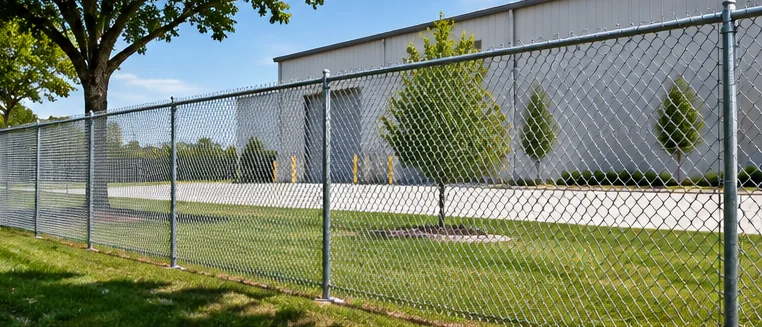
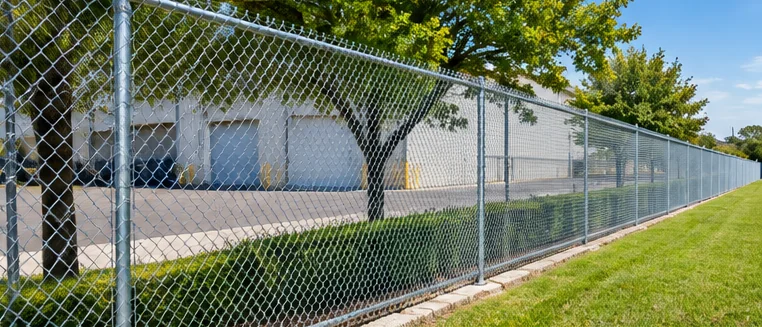
DESIGN GALLERY
Explore material options, styles and layouts to help plan your fence or deck project.
PROJECT DECISION GUIDE
The right chain-link assembly depends on access, height, anticipated use and whether an unobstructed perimeter view is desirable.
Mesh opening, wire gauge, finished height and coating should appear in a bid. The word “chain-link” alone does not define durability or security.
Ask about terminal and line posts, brace assemblies, top rail, tension wire and how the run will be terminated at corners and gates. These details matter on longer commercial runs.
A pedestrian swing gate and a wide equipment gate have different hinge, latch, wheel and clearance needs. Consider vehicle turning, drainage and daily opening cycles.
Slats and windscreen may change loads on a fence; request an engineered or manufacturer-supported design when needed rather than assuming accessories are harmless.
Tell us the address, project type, approximate dimensions and preferred material. An accurate proposal starts with a clear scope—not a generic online price.