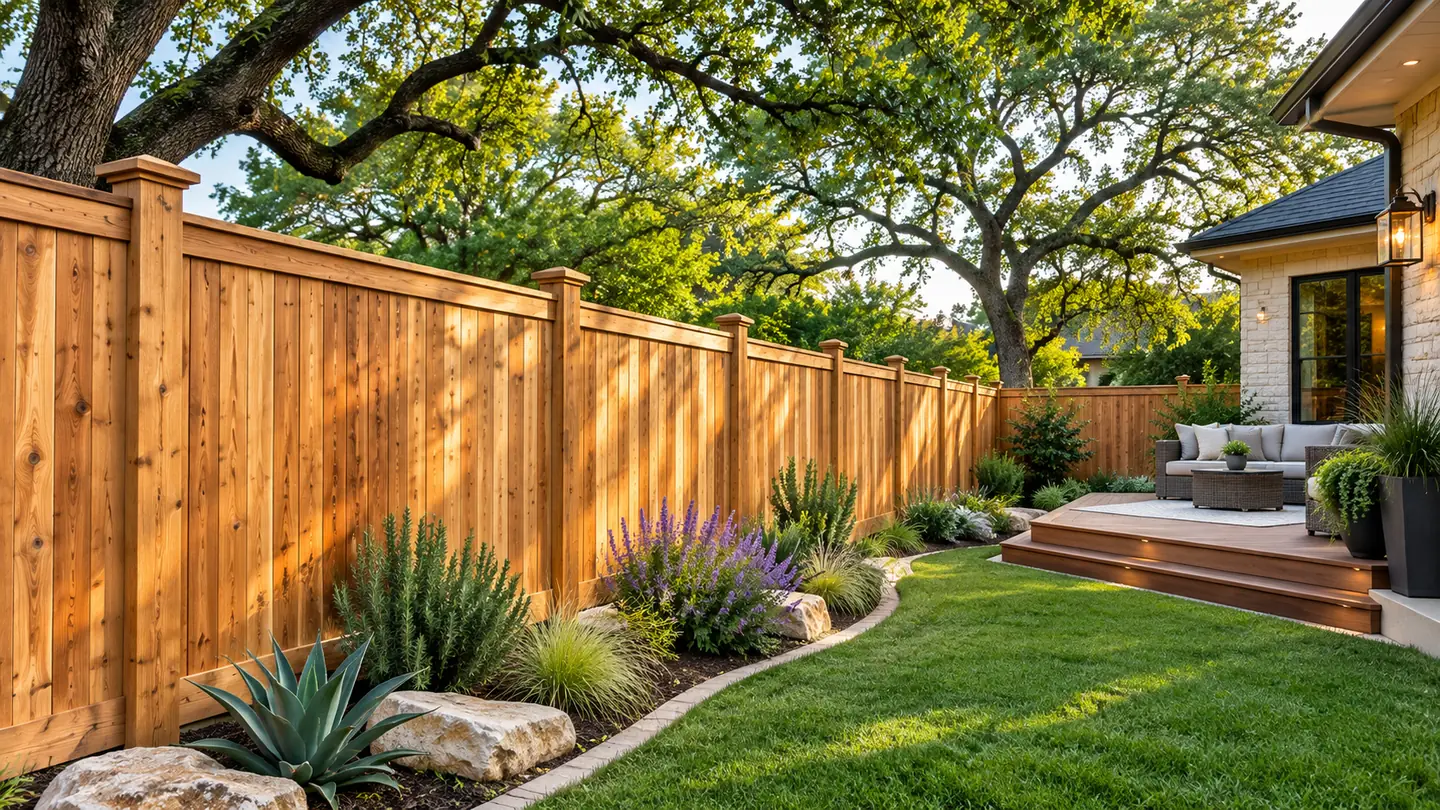
How to identify the approving authority, check Austin fence rules, plan utility locates and avoid costly boundary mistakes. This guide focuses on the decisions that affect project quality, maintenance and long-term value.
Start with the actual permitting jurisdiction
A postal address labeled “Austin” does not establish that the property is inside the City of Austin. Nearby cities and unincorporated county areas can apply different codes, permit procedures and standards. Before planning a fence, use an official property or jurisdiction lookup, confirm the parcel's governing authority and ask whether a fence permit or other approval is needed. Avoid extrapolating requirements from a neighboring home or an online photo. Save the exact code or guidance page used in the project file along with the date checked, because local requirements can change.
Understand Austin’s height and location rules
The City of Austin publishes detailed fence regulations, including rules involving solid-fence height, public right-of-way frontage and flood-hazard locations. Its website notes that certain residential fences over six feet along public rights-of-way require permits, and fences within floodplains require permits regardless of height. Other provisions address maximum height, visibility and special conditions. Therefore, “all fences under eight feet are permit-free” is not a reliable statement for every parcel. Check the current official guidance and consult Development Services if your design involves a corner lot, setback, waterfront or floodplain situation.
Property lines and surveys
Fences often sit near the most sensitive boundary on the property. A line of shrubs, an old fence or a neighbor's verbal recollection may not match the recorded line. Review the latest survey and deed materials, and consult a licensed surveyor when markers cannot be confidently located. Discuss shared-fence decisions with adjoining owners early, especially if the proposed line, height or appearance will change. Document agreement in writing where relevant, and confirm who is responsible for future upkeep. A fence installation quote should make clear whether boundary determination is included or remains the owner's responsibility.
Easements, drainage and utilities
Drainage swales, access easements and underground utility routes can limit where posts may be placed. Review the survey and any recorded easements, then ensure installers request utility locates through Texas 811 at least two business days before digging. Locates do not necessarily identify every privately owned line, such as some irrigation or lighting systems, so property owners should disclose known private utilities. Ask how the chosen fence design handles runoff without redirecting water onto a neighboring parcel. A fence that is correctly located but blocks a required easement may still create expensive problems.
HOAs and deed restrictions
Subdivision or HOA approval can be separate from city permits. An HOA may regulate fence material, finish, height, style, location or the visible side of the fence. Obtain the current written rules and submit the exact proposed design rather than assuming that a style common in the neighborhood is automatically allowed. Keep approval records alongside the final contractor scope. If the property is outside an HOA, deed restrictions may still apply. A contractor should not guarantee approval of a particular style without reviewing the actual governing documents.
Pools, gates and access
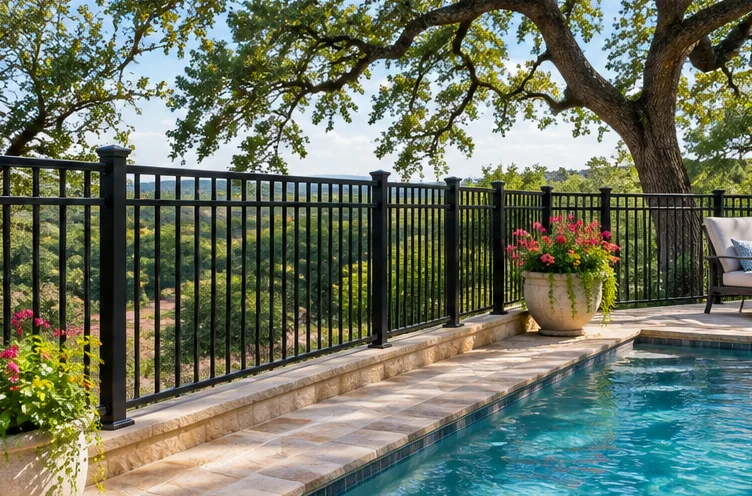
A barrier around a swimming pool is not interchangeable with a decorative yard fence. Applicable building or pool safety requirements may govern height, opening size, gate direction, self-closing and self-latching features and access from the house. Commercial access gates may trigger additional controls and safety standards. If a fence will interact with a pool, playground or powered driveway gate, ask an appropriately qualified contractor to check the specific standards and permitting requirements. Decorative pictures should never be treated as code-compliance documentation.
Project-ready checklist
Gather the parcel address, survey, HOA documents, desired fence line, utility information, gate locations and photographs of changes in grade. Confirm which government entity has authority and save the latest official permit guidance. Ask whether the proposed height, design or location changes permit obligations. Have the contractor document materials, foundation assumptions, removal and disposal, site restoration and warranty. Arrange access with neighbors and secure pets during construction. Recheck details before work starts if the design changes materially after the initial approval.
Official resources worth bookmarking
Use the City of Austin Development Services fencing-regulations page for city-specific rules, and its work-exempt page for certain deck situations. Texas 811 provides utility notification and excavator guidance. For work outside city limits, use the applicable municipality or county website. Some regulations require interpreting exact parcel conditions, so contacting the authority is safer than treating a generic web checklist as a final legal determination.
Frequently asked questions
Do all fences in Austin need a permit?
No. The permit requirement varies by height, right-of-way frontage, floodplain and other conditions; check the city’s current rules.
Is HOA approval the same as a city permit?
No. Private covenant review and government permitting are separate processes.
How soon should I contact Texas 811?
Texas 811 generally requires at least two business days before digging; consult its current instructions.