
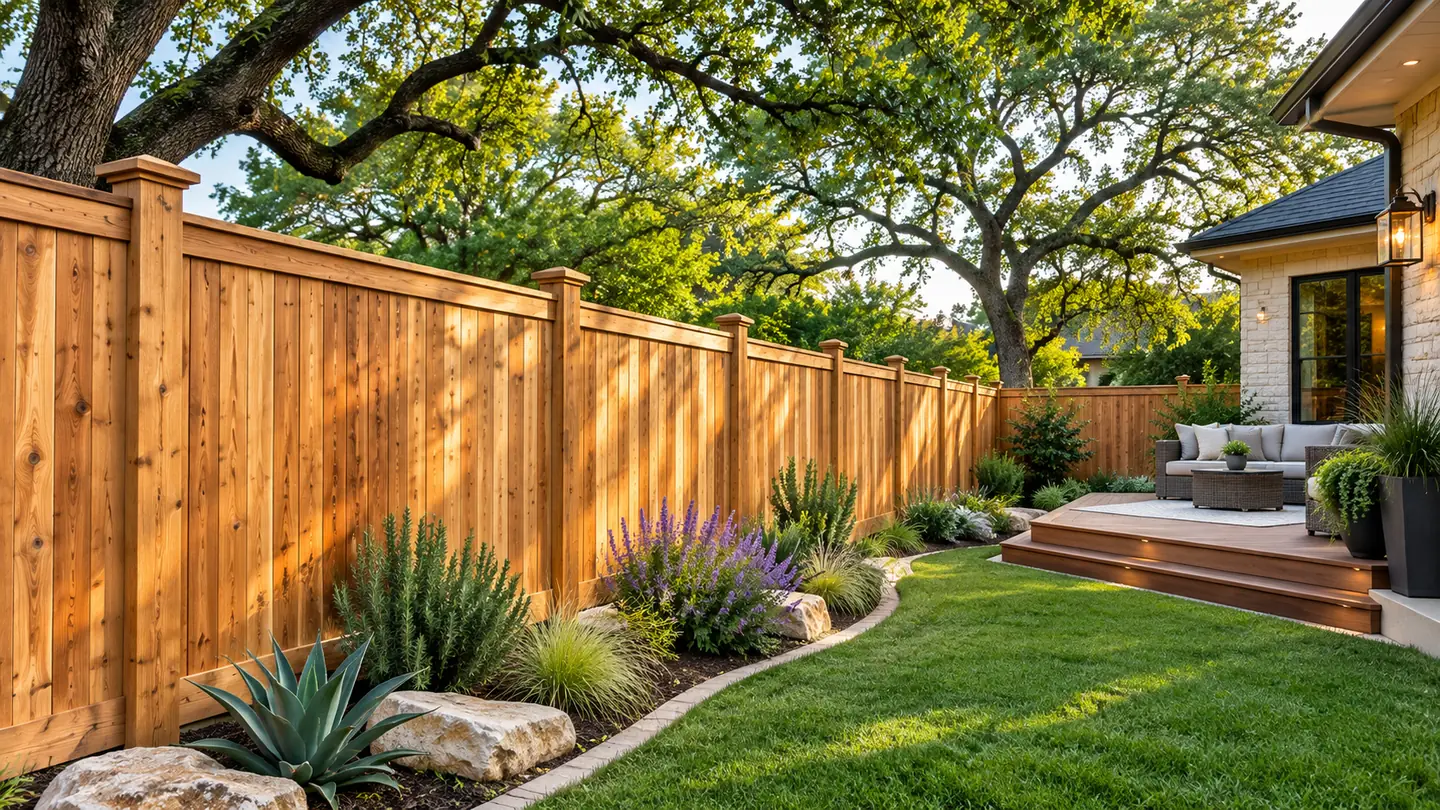
Compare post materials, footings, gate loads and the failure modes that make fence details matter. Use these checkpoints when reviewing the specific property and a written contractor proposal.
Why posts determine longevity
A privacy fence acts like a large wind-catching surface. Its supports transfer wind and gate loads into the soil, so picket quality alone cannot ensure performance. The soil and subsurface conditions at the actual fence line matter. Ask the installer to explain how each post is set, what happens on slopes, and which post design is best suited to the selected height. The relevant jurisdiction may have construction requirements even when a standard fence does not need a building permit.
Wood posts: appearance and serviceability
Wood posts match the fence material and are familiar to most crews. Their service life varies with species, treatment, moisture and the quality of installation. They can be vulnerable to decay where soil and moisture remain against the post. For a replacement project, check whether old posts can remain and what inspection supports that decision; do not assume a straight post is sound below grade. Discuss whether a broken wood post can be repaired without replacing adjacent panels.
Steel posts: what to specify
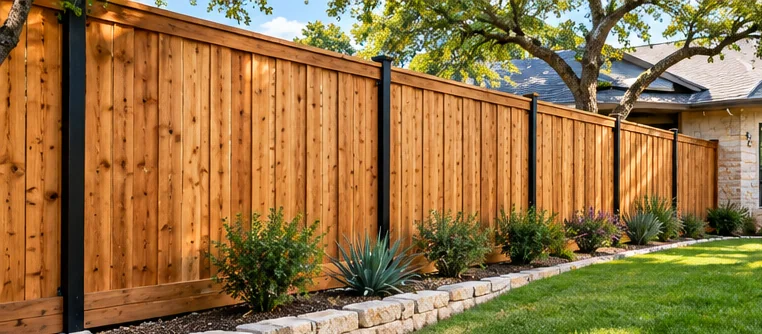
Steel posts can be attractive for long privacy runs and gate supports, but not every steel tube is equivalent. Confirm the wall thickness, protective coating, compatible brackets, fasteners, cap details and exposure at cut ends. Concealed steel-post systems may allow the homeowner to retain a predominantly wood appearance. Ask for the exact product or steel specification in the proposal, and confirm how the post will be integrated into gates and changes of direction.
Concrete, rock and ground conditions
Post-hole excavation can be affected by limestone, clay, roots, groundwater, existing concrete and buried debris. The proposal should describe assumptions about hole dimensions, footing material, unforeseen excavation and disposal. A generic claim that every Austin lot needs the same footing is not reliable. If a contractor expects specialized rock drilling, request a written explanation and a change-order procedure before work begins.
Gates are not ordinary fence panels
A heavy pedestrian or double-drive gate creates concentrated loads and repeated movement. The hinge post, latch post, frame bracing, hardware and concrete footing deserve their own specifications. Ask how the gate will be adjusted over time and whether the proposed latch location works for pets, children or access needs. A gate that looks aligned at the final walkthrough is not automatically built to resist later sag.
Comparing two post proposals
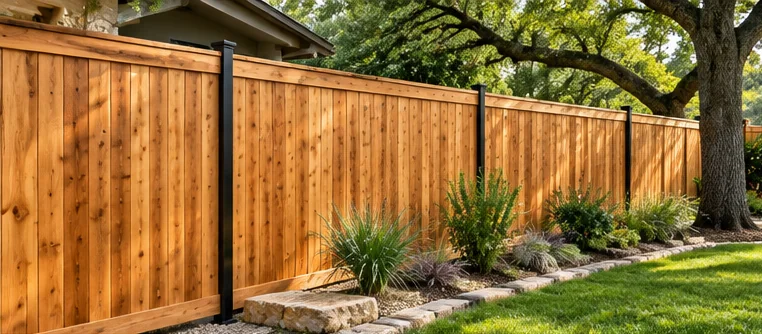
Give contractors the same information about length, height, grade changes, gates, demolition and nearby structures. Request an itemized post count, spacing, material, coating, footing assumptions and warranty. Do not compare a treated wood-post quote with a heavier steel-post quote only on the total price. Maintenance and expected service life deserve discussion alongside purchase price.
Frequently asked questions
Do steel posts make every wood fence better?
Not necessarily. A well-specified wood post can perform appropriately in the right application; overall design and installation quality still matter.
Can a wood fence hide steel posts?
Many systems use concealed brackets or board layouts, but confirm appearance and product compatibility.
Should existing posts be reused?
Only after the condition, footing and proposed fence load have been assessed.